
by Lucy Draper-Clarke
I returned to Wincanton in 2025, after 30 years away. Back then, I remember wandering along Bow Brook (a tributary of the Cale), collecting water samples to check for nitrate pollution. On returning last October, I found a vibrant community, coordinated by CATCH, who have taken care for the Cale to a whole new level.
What does it mean to care for a river? It might begin with something as simple as picking up a piece of litter, taking a closer look at the creatures living beneath the water, or spending an early morning on the riverbank with a group of neighbours. Over time, these small acts become part of something much bigger: a shared relationship with a living ecosystem and with the community that depends on it. I have become interested in how collective action nurtures both the community and the living world.
In 2025, twelve years after CATCH (Community Action to Transform Cale Habitat) began, the group’s activities continued to show how collective care can benefit both the natural environment and the people who live alongside it.
Learning to care through attention
A river is full of life, but much of it easily overlooked, as we walk over a bridge on the way to school or work. CATCH’s regular kick-sampling activities invite volunteers to get into the water, investigate what lives there and learn more about the river’s health.
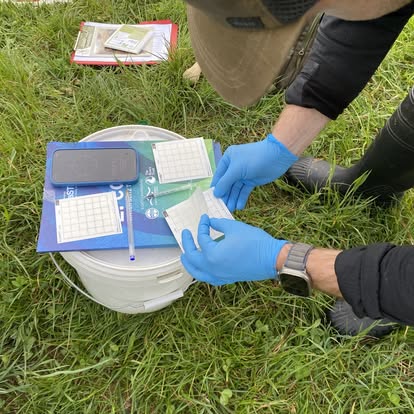
In February, volunteers adapted their schedules to make it possible for more people to take part, splitting the sampling across two sessions at the three regularly monitored sites. In April, the group went a step further, combining its early-morning kick sampling with its first joint E. coli, nitrate and phosphate testing at two sites, led by Janice and Chris. Samples were also sent to a laboratory for further analysis.
This work reflects an important part of CATCH’s approach: knowledge grows through participation. When the group began, members had relatively little experience of water monitoring. Twelve years on, they are developing their skills, investing in new citizen-science equipment and building a better understanding of the pressures affecting the Cale.
Monitoring is not simply about collecting data. It is also a way of paying attention: noticing changes, asking questions and becoming more familiar with the intricate relationships that sustain a healthy river.
Caring for habitats, making space for wildlife
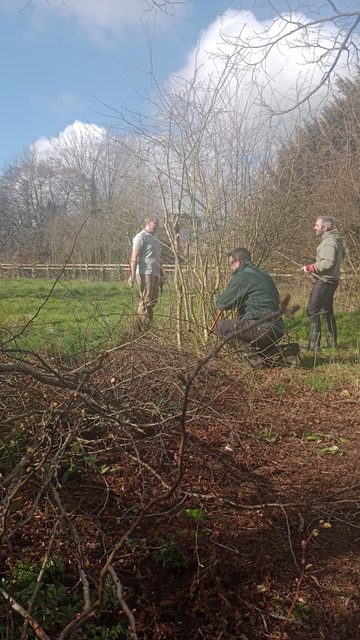
Collective action also means looking beyond the water itself to the wider habitats that support river life. In March, volunteers worked on a section of hedge planted by CATCH around eight years earlier. Under Simon’s supervision, they laid the hedge to encourage thicker growth and create improved habitat for nesting birds and mammals. A small litter pick took place alongside this work, while the memorial meadow information sign received some spring attention.
During August, volunteers returned to the riverbanks to collect litter and tackle Himalayan balsam. The dry conditions made the river’s remaining deep pools particularly noticeable, and the group focused much of its effort on monitoring the life still present in the river.
All these activities, however small, contribute to the conditions that allow wildlife to flourish. A well-managed hedge offers shelter and nesting opportunities; removing litter helps prevent harmful materials from remaining in the environment; and tackling invasive plants can help protect the diversity of local habitats. As volunteers, CATCH does what it can when members of the community have the time.
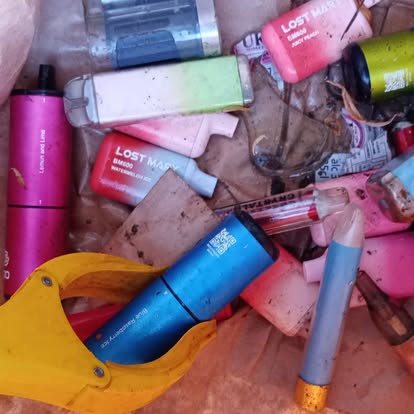
In May, an evening visit to the river near the Victorian bridge became an unplanned litter pick when volunteers spotted discarded vapes. Recognising the potential risks posed by their nicotine salts, metals and batteries, the group retrieved them for recycling. It was a practical example of how care often begins with noticing what needs attention and responding together.
Bringing people closer to the life of the river
Caring for ecosystems is also about creating opportunities for people to encounter and appreciate the natural world.
At Cale Park’s VE Day event in May, CATCH shared information about the fascinating bugs and creatures that call the Cale home. In September, the group collaborated with the Balsam Centre’s Wild & Green Fair, where CATCH members helped children and young people investigate freshwater wildlife in the Growing Space’s wildlife pond.
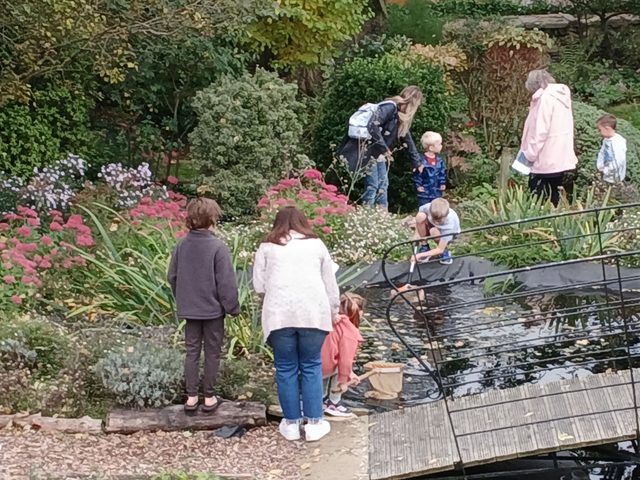
This was the second year that the pond was dipped to discover what was living beneath the surface. Children found dragonfly and damselfly nymphs, alongside water beetles and other aquatic invertebrates. Their curiosity offered a reminder that wildlife is not somewhere distant or separate from everyday life. It can be found flourishing in the heart of Wincanton.
These encounters matter. When children and adults have the chance to look closely, ask questions and discover the diversity of life around them, care can become rooted in experience. A pond becomes more than a pond; it becomes a place of discovery, connection and shared responsibility.
The Balsam Centre expressed its gratitude to CATCH for helping to inspire young people to care for their natural resources. Such collaborations also show how environmental care can bring organisations and different parts of a community together around something they value.
A community held together by small acts
One of the most striking aspects of CATCH’s work is its understanding that people contribute in different ways and according to the time they have available. The group’s philosophy is that every minute helps, makes a difference and is appreciated.
This is an important principle of collective care. It recognises that environmental responsibility does not have to rest on a few dedicated individuals, nor does everyone need to have the same skills or availability. Some people can help with water testing, others with habitat management, litter picking, wildlife activities, organising events or sharing information. In fact, Wincanton seems to have a community of secret ‘ninjas’, people who see something harmful and take action. On several occasions the CATCH committee has been told about a shopping trolley or bike in the river, only to find it has disappeared on clean up day!
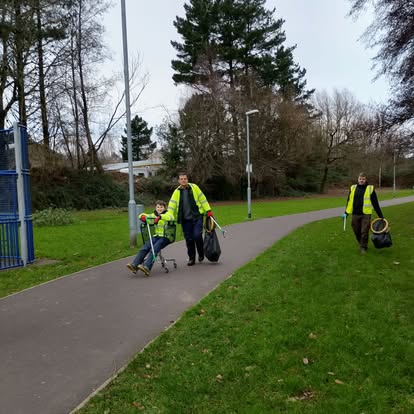
The work is sustained through these varied contributions, alongside the relationships that develop between volunteers and the wider community. Time spent together outdoors creates opportunities to exchange knowledge, notice changes in familiar places and build a sense of belonging.
CATCH’s November committee meeting brought members together to reflect, plan and invest in new citizen-science equipment. And the year was set to close with another invitation to the community: a litter pick at Cale Park on 28 December, encouraging people to get outside together, work off their Christmas dinner and help keep the area clean.
The health of the river and the health of the community
Fresh water sustains far more than our domestic needs. It connects hills to the sea, supports wildlife along the way and contributes to the health and wellbeing of the places through which it flows.
The health of rivers and the health of communities are closely intertwined. A thriving river supports diverse habitats and wildlife; accessible green and blue spaces offer opportunities for recreation, learning and connection; and a community that knows its local river is better placed to notice when it is under pressure and to speak up for its protection.
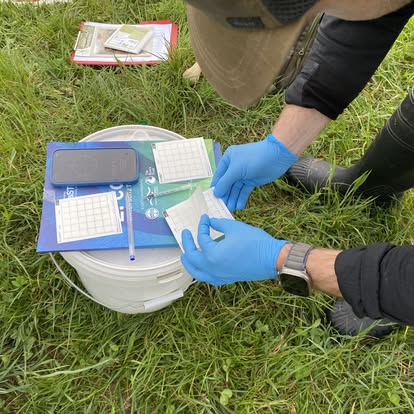
CATCH’s activities demonstrate that caring for a river is not one single task. It is an ongoing practice of observing, learning, maintaining habitats, removing rubbish, sharing knowledge and welcoming others into the work. After twelve years, the group’s contribution is visible not only in the practical improvements made to local habitats, but also in the relationships and understanding that have grown around the Cale.
Perhaps this is the deeper value of collective care: as people come together to look after the river, they also strengthen the community’s capacity to care for itself. The river becomes a shared point of connection, bringing people of different ages and experiences into relationship with the natural world and with one another.
Every sample taken, hedge laid, piece of litter collected and young person inspired is part of that wider story. The work may be made up of small actions, but together they help create the conditions in which both nature and community can flourish.
Thank you to everyone who has contributed to CATCH’s work and continues to care for the River Cale.
Leave a Comment