
by Lucy Draper-Clarke
CATCH’s story is one of how a simple passion for a local river can grow into a sustained programme of community action. In consultation with other river groups and by learning in relationship with the river, unfolding activities have taken place over the years. Gary lent me a copy of Trout in the Town: an Urban River Toolkit, which you can download online. This excellent guide, produced by the Wild Trout Trust, features the work of CATCH and also steers the organisation’s local approach. Bringing trout back requires a catchment-based understanding, recognising that activities can help or harm the wider ecosystem.
I’ve been digging into the archives on Facebook to find what has been going on over the last few years. This post offers a summary of 2026’s activities. We’d love to hear your suggestions, in the comments below, for 2027.
At the January AGM, which marked 13 years of activity, the committee reflected on how to be in service to the Cale and its changing needs. From the early days of wondering which fish might live in the river (did someone say mackerel?!) to today’s regular water quality monitoring, the group has developed its knowledge and practical skills while remaining welcoming to new volunteers and whatever time they are able to offer.
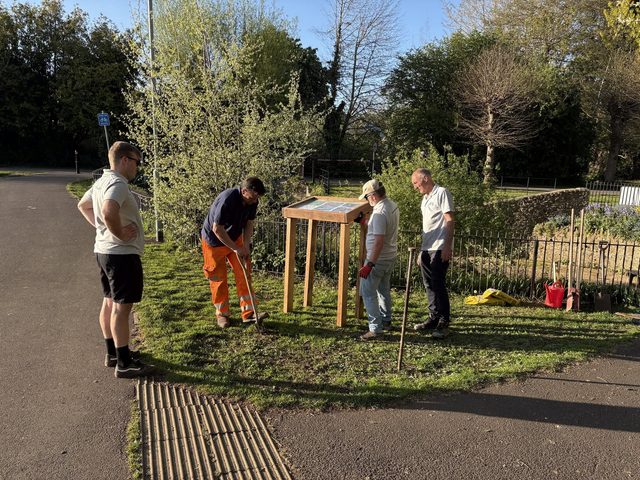
There has been plenty happening. In April, volunteers installed an information board and undertook pollarding work around the rock berm. Nearly ten years after the berm and its planting were established, the difference to the site is remarkable. It was particularly encouraging to see people of all ages stopping to take an interest in the work. In May, CATCH enjoyed an opportunity to share its activities with members of Henstridge Flyers WI, whose generous donation was much appreciated. Gary and other committee members love to speak to local groups, so please reach out.
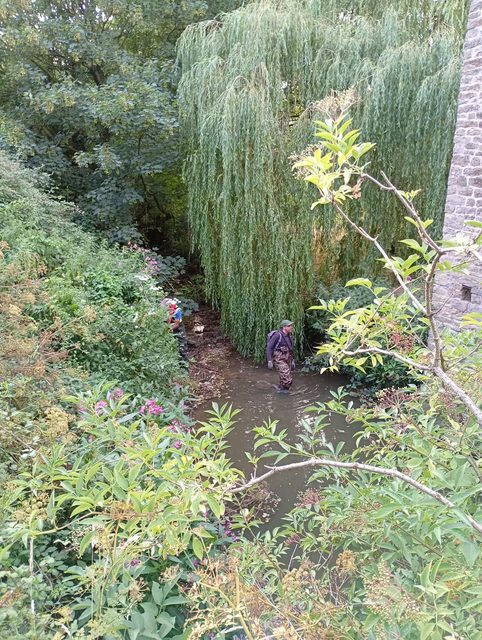
July brought another session of Himalayan balsam removal upstream. The Victorians brought the beautiful but damaging plant back from the Himalayas for their gardens in 1839 but, with its ‘explosive’ seed pods, it quickly escaped and started to spread. Chris, Simon and Baz spent two hours tackling this invasive plant, helping to prevent its further spread along the river. Can you imagine having to wear chest waders in this year’s July heat!
August was a more concerning month. River levels were exceptionally low, prompting real worries about the health of the Cale. Nevertheless, volunteers managed to collect several bags of rubbish and were delighted to spot a kingfisher and two chub.
In September, ten volunteers helped install a rather unusual new feature in Wincanton’s Memorial Wild Flower Meadow: a seven-foot sleeping troll! The new bench provides a place to rest beneath the lime trees and enjoy the meadow. The troll still needs a name, so watch this space, or give us some ideas.
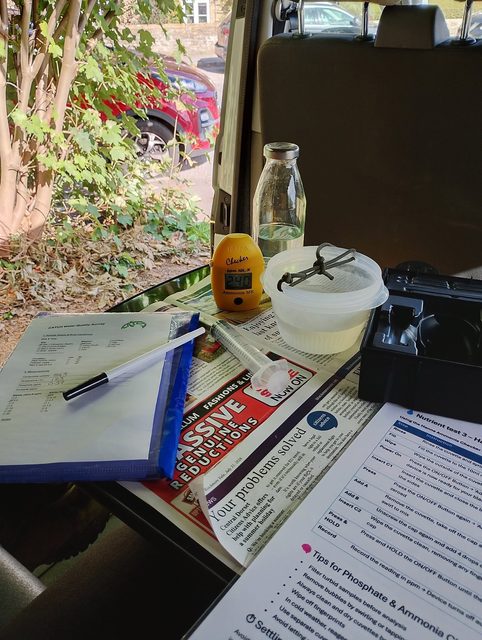
Alongside these practical activities, CATCH continues to develop its water quality monitoring. Volunteers are testing several locations for nitrate, nitrite, conductivity, temperature, phosphate and ammonia. Regular testing helps build a picture of what is entering the river and the potential implications for wildlife and the people who live alongside it. We have also conducted regular kick-sampling sessions around Wincanton. This is a practical way of exploring the river’s ecology and discovering what lives beneath the surface. In October, we were treated to a noisy pair of kingfishers flying past—a wonderful reminder of the life that makes the river so special.
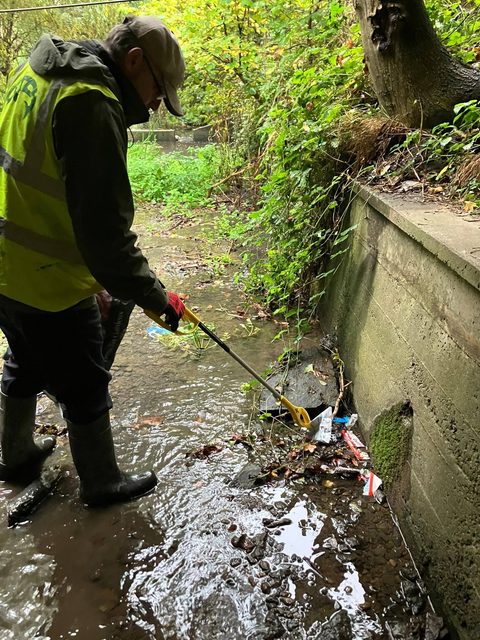
October brought further rubbish collection. With the autumn rains, there is an urgency to retrieve discarded items before they are carried downstream and beyond into the wider countryside.
As a new volunteer, I wanted to write about my developing friendship with the Cale, called A Wincawel Friendship. Paying attention has become a subtle form of care, guiding my interactions with this riverine ecosystem. I have been wondering about the important balance between making rivers accessible so that more people can enjoy them and protecting them from damage. Perhaps the more opportunities people have to encounter a river, understand its ecology and experience its vitality, the more likely we are to develop a lasting relationship of care. And in caring for the river, I have found myself sustained by it. The pleasure of seeing winnard – a heron, discovering what lives beneath the water, noticing the changing seasons or working alongside others have all contributed to my growing sense of belonging in this Somerset town.
You can keep an eye our Facebook page for regular updates and invitations to join us for litter picking days, kick sampling and other river activities.
Leave a Comment